


The Best Empanadas in Buenos Aires
RECOMMENDED PLACES TO PURCHASE THIS CLASSIC OF ARGENTINIAN CUISINEFrom the variety of fillings to the different ways of cooking them, empanadas are an essential classic in the Argentine culinary tradition.
Like any country in the world, Argentina has many traditions that reflect citizens’ way of life. Gastronomic ones determine favourite foods and drinks, the perfect time to taste them and show us the most representative recipes of every city as well.
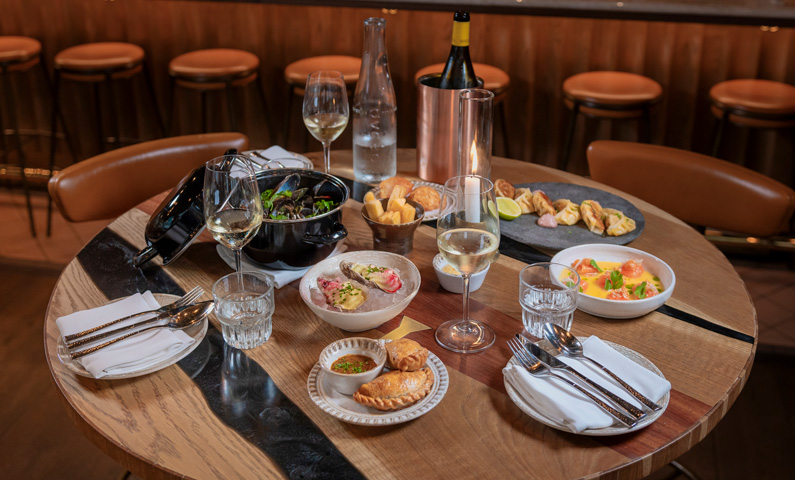
Buenos Aires offers a wide variety of empanadas. Photo © Anders E.Skanberg
The empanada is one of the Creole foods that most identify Argentinians. However, the recipes vary depending on the region. We are going to tell you what this delicious preparation consists of , plus some tips about different variations in every province of Argentina. Ready for more?
First of All: Let’s Explore the History
What is the origin of the empanada? The word comes from the Spanish language and has its origins in the food that has always been on every menu: bread.
The first appearance of empanadas took place in Persia, more than 2000 years ago, and it is believed that they arrived in the Iberian Peninsula thanks to the Arab people. After that, they quickly spread throughout the world, since empanadas are suitable for transport over long distances and, above all, they are easy to consume at any time and place.
It is said that the earliest empanada recipe arrived on the American continent at the hands of the conquistadors, and although its origins are not Argentinian, the empanada is one hundred per cent part of its culinary heritage.
This gastronomic delight, with all its different sizes and fillings, was already consumed in the times of the Viceroyalty of the Río de la Plata since the May Revolution of 1810. Not only prepared at every home but also offered by peddlers on street corners and fairs.
The empanada is the most traditional food that exists in Argentina because you can find it throughout the whole country. Recipes, fillings and cooking may vary according to the region, which gives it an extra local identity.
Let’s get to know more about this staple item in Argentina’s food culture.
One Dish, Many Variations
Empanadas from Tucumán
The main filling is chopped skirt beef along with sautéed onion and garlic. The seasonings chosen are cumin, pepper and paprika, and they are usually small. Potatoes or olives are excluded and are cooked in the clay oven. They recommend eating these empanadas and adding a little bit of lemon juice.
Empanada Salteña
The original dough is based on wheat flour, fat and paprika. The filling is a stew of knife-cut meat (the cut chosen is usually the buttock) and cooked in beef fat with some vegetables: onion, greens, and bell peppers. In addition, it also has ground chilli, hard-boiled egg and boiled potato. Empanadas Salteñas are popular for being juicy and so small that they can be eaten in two bites. Cooked in a clay oven.
Recipe from La Rioja Province
If it is not extremely juicy, it is not a La Rioja empanada. Want to try a classic? Order it “criolla”; but you can also find the best and most extraordinary Fatayer-like Arabic version, which competes on equal terms with the original one. The filling: rump meat, onion and greens cooked with fat. They also add olives, potatoes, bell peppers, hard-boiled eggs and the unique touch of raisins.
Empanada Sanjuanina
Sanjuaninas have the addition of peeled tomato in the filling and the secret touch of white wine in the dough, which is made from wheat flour and fat. The meat used is finely chopped loin, buttock meat or rump. They have olives and garlic. Seasoned with chilli, sweet paprika and even oregano, they are medium in size and you can try them fried or baked.
Empanadas from Jujuy
Pastry dough, size and shape are similar to salteñas (and their Bolivian version). Beef jerky or llama meat is usually used, and the vegetables are onion, greens and chilli. Hard-boiled egg, bay leaf and olives are also added. People from Jujuy give the filling an original touch: they add peas. Cooked in a clay oven and accompanied by spicy sauce, the size is medium, and they finish it with a braided border.
Empanadas from Santiago del Estero
The recipe for Santiago empanadas has a little twist in the filling that is easy to make. The traditional filling: only meat and seasonings (sweet paprika, cumin and oregano). The difference is that the meat, once cut into strips, is pre-cooked in boiling water before being finished in fat to make it even softer. They are then baked.
Empanada Catamarqueña
Not everybody agrees about adding raisins and olives to the original recipe. The meat can be either beef or goat meat. Empanadas Catamarqueñas include onions, green greens, ground chilli, paprika, bay leaf, hard-boiled egg and potato. These medium-sized delicacies are always baked.
Empanadas from the Litoral
Corrientes, Entre Ríos, and Santa Fé recipes’ filling is not the typical Creole. They make the empanadas with catch-of-the-day fish instead of beef. Litoral empanadas come with cheese, plums, chilli and white sauce. They are cooked in the oven and can vary in shape.
Chaco
The classic Creole empanada is usually made with knife-cut meat, onions, bell peppers, hard-boiled eggs and olives, and there is also a version similar to the coastal one with river fish dorado. Both options are usually medium in size and can be fried or baked.
Buenos Aires
The “porteño” empanadas contain machine-minced beef, onion, greens, chopped bell pepper, hard-boiled egg and olive. The regional recipe has bay leaves, which are usually large in size. They can be fried or baked.
Empanadas from San Luis
Also known as puntanas, they are large, and their dough has a special ingredient: pig fat. The flank meat filling has little onion and is seasoned with oregano and spicy chilli pepper. They can be eaten baked or fried.
Mendoza
The knife-cut meat filling is accompanied by garlic, cumin, and olives, is a staple ingredient. They are filled with blade bone meat or hand beef. Empanadas from Mendoza are cooked in the traditional oven. They are used to paint the pastry dough with egg to a golden and shiny touch. It is believed that its size is rather large due to the Chilean influence.
Cordoba
Sprinkling the dough with sugar and, in some regions (such as Traslasierra), adding carrots to the filling is part of the traditional choice for empanadas Cordobesas. In San Juan, the use of peeled, seedless tomatoes is optional. A special version known as “federal pie” contains pears boiled with red wine and cloves. The base filling has minced or ground meat, onion, greens, bell pepper, hard-boiled egg and olives. They are cooked in a regular oven.
Patagonian empanada
In addition to the Creole version, the filling is generally lamb instead of beef, but they also come with fish or seafood in the coastal recipes. On the Rio Negro coast you can try empanadas filled with Tehuelche octopus and in Tierra del Fuego, they have a version with crab. For the filling, the ingredients are onion, scallion and Merken (a smoky chilli pepper seasoning). Their shape is rather rustic, and they can be baked or fried.
Where to Try the Best Empanadas

El Hornero de San Telmo
Among the flavours of traditional empanadas, you can choose knife-cut meat, or those with meat from Salta (accompanied by potato chips). There are options with cantimpalo chorizo and cheese; tripe; humita; ham and cheese, and chicken. Veggies can order empanadas with cheese and onion, vegetables, Roquefort, and mozzarella.
Carlos Calvo 455, San Telmo.
Buenos Aires Verde
An organic vegetarian alternative if you want to try this popular Argentinean staple. Empanadas on its menu are served with Creole sauce and mixed salad. The “meat” is made from gluten, whole wheat flour and breadcrumbs.
Vidal 2226, Belgrano
Empanadas Tremendas
The menu has 17 flavours and some options have natural coloured dough. The meat for the handmade filling is baked for 3 hours. The favourites among diners are flank with malbec or provoleta and chimichurri. Another popular recipe: barbecue bondiola, green sweetbreads, red onion, leeks and brie cheese.
Arcos 3182, Nuñez.
Banco Rojo
Their classic is soft and spicy shredded lamb, pork rack with bacon and blood sausage with apple; Banco Rojo also has a special weekly some options are pak choi with ginger, turnip greens with bechamel sauce and cheese, broccoli with cauliflower, cheese and peanuts or beetroot with provoleta.
Bolívar 866, San Telmo.
La hormiga
At La Hormiga the empanadas are 100% homemade and baked in a clay oven. The menu is varied and you can find something for all tastes: classic and original fillings such as loin; ham and cheese; chicken; humita; spinach and cheese; mushrooms; eggplant, tomato and cheese; onion and cheese; sweetened ham and ricotta; and the one with chorizo, provolone and tomato.
Armenia 1680, Palermo.
Labor
The establishment is located on the corner of General Ramón Freire and Virrey Áviles and offers homemade recipes that combine different cooking methods such as grilling or smoked cooking.
The standout flavours at Labor are Smoked Roast Tapa, BBQ Braised Chicken, and ham and mozzarella. Among the vegetarian options, you can find spinach, ricotta, walnuts and mushrooms.
Gral. Ramón Freire 1501, Colegiales.
La Morada
This place is distinguished by its classic Catamarca empanadas. La Morada was founded in 1999 by three friends, one of whom was a specialist in typical Catamarca food.
The most popular items on the menu are knife-cut meat (both mild and spicy), ham and cheese and the original Picachu (cheese, onion and spices). The success of this place is due to its homemade fresh dough that always emerges perfectly brown from the oven.
Larrea 1336, Recoleta.
Al Disco, Fried Empanadas
Fried empanadas made on the disc, the Al Disco’s classic. The key to their very particular flavour is that they are fried in Pella fat. In addition, they choose knife-cut sirloin sauté on the disc, which makes the empanadas super juicy.
Other options are the bondiola empanadas with beer (cooked over low heat, concentrating flavours) and the humita recipe.
Alvarez Jonte 3508, Villa Santa Rita
Delicious Empanadas in Buenos Aires
As an appetiser, starter or main dish, this is an Argentinian staple you can’t miss. You’ll find that it’s a good moment to try an empanada at any time during your visit!
Find where to get the best empanadas in Buenos Aires on the map
You might also enjoy these guide
Best Restaurants in Villa del Parque
Are you looking for good restaurants in Villa del Parque? This Buenos Aires neighbourhood offers a varied gastronomic scene with options ranging from classic bodegones and homemade pasta to versatile venues that combine coffee and hearty dishes. Generous portions,...
Nikkei Restaurants in Buenos Aires
Nikkei fusion represents one of the most fascinating culinary encounters in Buenos Aires. This cuisine, born from the dialogue between Japanese and Peruvian traditions, finds an ideal setting in the Argentine capital for its development. The porteño Nikkei restaurants...

Sushi in Puerto Madero
If you thought Puerto Madero was only for asados and red wine, get ready for a delicious surprise. This corner of Buenos Aires hides sushi temples where fresh salmon and wasabi rub shoulders with the best river views. Because yes, Argentines don’t just know about...

Restaurants in Puerto Madero with Views of Puente de la Mujer
If there is one thing that makes Puerto Madero a magical place to dine, it is that perfect combination where, while savouring a delicious dish at your table, you can admire the iconic Puente de la Mujer stealing the spotlight in the background. Restaurants overlooking...